Why Retaining a Residential Electrician Is Critical for Home Safety!
Retaining a residential electrician is necessary for protecting home safety. Countless homeowners diminish the complexities of electrical systems. DIY work can produce serious risks, like electrical fires or electrical contact. Licensed electricians supply necessary skills, verifying compliance with local guidelines and protective standards. The outcomes of circumventing suitable electrical installation can be grave. Understanding the importance of professional aid can generate a considerable alteration in home security. What specific rewards can these experts offer?
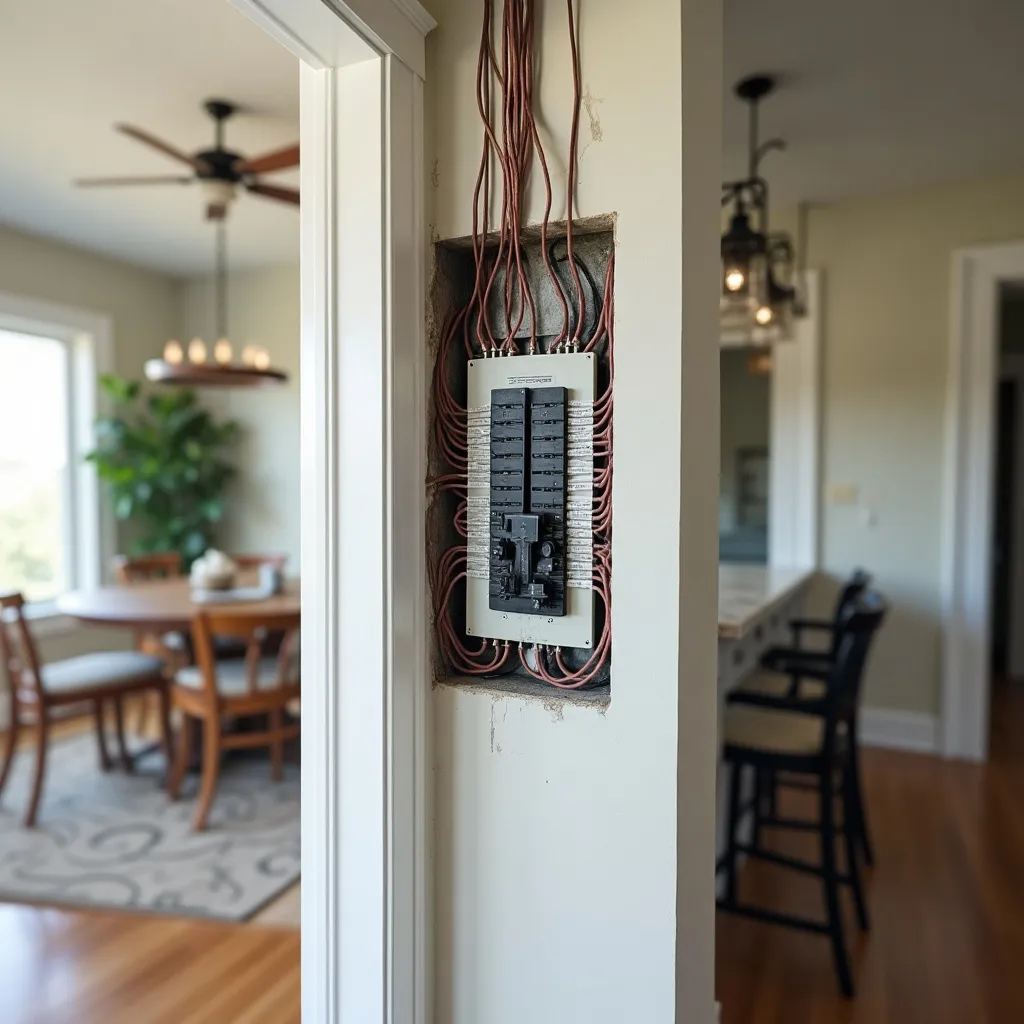
Grasping the Threats of DIY Electrical Installations
Attempting DIY electrical work may appear attractive to house owners trying to cut costs, yet it carries major risks. Many individuals fail to appreciate the sophistication of wiring infrastructure, often causing faulty installations or repairs. This shortage of expertise can lead to power failures, fires, or electrocutions, threatening both the resident and their home.
Moreover, DIY tasks may not conform to local building codes, potentially causing legal complications or costly fines.
Furthermore, without the proper tools and safety equipment, homeowners may expose themselves to dangerous conditions. Even seemingly simple tasks, such as installing a new light fixture, can have unforeseen complications if not performed properly.
The risk of long-term damage to the home's electrical system is also a issue.
The Knowledge That Keeps Your Home Safe
Concerning guaranteeing home safety, a residential electrician's knowledge is vital.
They carry out thorough safety inspections, ensuring all systems are working properly and satisfy regulatory standards.
Furthermore, their grasp of code requirements and expert troubleshooting expertise mitigate potential dangers before they develop into serious issues.
Full-Scale Security Examinations
A thorough safety inspection conducted by a qualified residential electrician is important for keeping a protected home space. During this operation, electricians inspect wiring, outlets, and electrical panels to uncover potential hazards.
They inspect for obsolete parts that may create fire risks or lead to electrical failures. Additionally, they assess the grounding and bonding systems to ensure they meet safety standards.
When electricians discover issues like overloaded circuits or faulty wiring, they supply homeowners with actionable insights to reduce risks. These inspections not only enhance safety but also boost energy efficiency, potentially reducing utility bills.
In the final analysis, routine safety inspections safeguard both the home and its inhabitants, assuring a robust electrical infrastructure that performs reliably.
Code Compliance Confirmation
Code compliance assurance represents a fundamental aspect in ensuring the safety and reliability of residential electrical systems.
Skilled electricians are proficient in local, state, and national electrical codes, which are constructed to secure homeowners from potential hazards. These codes incorporate various aspects, such as wiring methods, circuit protection, and grounding techniques, all indispensable for safe operation.
By adhering to these codes, electrical professionals decrease the danger of electrical fires, shock hazards, and equipment failure. Additionally, compliance is often a necessity for home insurance and can impact property value.
Homeowners who invest in a qualified electrical professional guarantee that their electrical installations comply with necessary standards, providing peace of mind and a more secure home.
Expert Troubleshooting Skills
Electrical systems can have difficulties despite meeting safety codes. When complications occur, expert analysis becomes indispensable.
Residential electricians develop specialized training and experience that enable them to detect faults quickly, often prior to becoming serious dangers. Their ability to analyze intricate electrical networks and pinpoint problems guarantees that homeowners are not left in the dark—literally and figuratively.
These knowledgeable professionals implement high-tech equipment and strategies to pinpoint complications, whether it's a flickering light or a tripped breaker. By taking action on these problems without delay, they not only reinstate functionality but also enhance the overall safety of the home.
Ultimately, relying on a skilled electrician for troubleshooting is a preventive measure toward safeguarding both residents and property.
Finding the Suitable Residential Electrical Contractor
Selecting the right residential electrician requires thorough evaluation of multiple important criteria.
Home buyers should confirm credentials and authorizations to ensure compliance with local regulations.
Also, consider the electrician's qualifications and abilities, and request detailed quotes for clarity.
These measures help in making an informed decision that prioritizes safety and quality.
Confirm Credentials And Professional Licenses
Prior to hiring a residential electrician, it is critical to confirm their credentials and licenses to ensure compliance with local regulations and industry standards. This step guarantees that the electrician has undergone the necessary training and has the knowledge required for secure and effective electrical work.
Ensuring correct permits protects homeowners from unforeseen risks and confirms that the electrician observes safety protocols. Additionally, checking qualifications can help find professionals who remain informed about the latest industry practices and technologies.
Property owners should request proof of insurance and check that the electrician holds any required certifications. Taking these precautions not only enhances safety but also fosters trust in the quality and reliability of the electrical services provided.
Analyze Experience And Capability
Evaluating the qualifications and knowledge of a residential electrician is essential for ensuring excellent work standards. A seasoned electrician commonly brings a wealth of knowledge gained through years of direct practical experience. This experience helps them to handle various electrical systems and troubleshoot issues successfully.
Prospective clients should ask regarding the electrician's specific areas of expertise, such as residential wiring, lighting installations, or electrical repairs. Additionally, learning about the types of projects they have previously completed can provide insight into their capabilities.
Reviews and testimonials from previous clients can also function as valuable resources in establishing reliability and quality of service. By meticulously examining an electrician's experience and expertise, homeowners can make informed decisions that underscore safety and operational excellence.
Get Detailed Pricing
What can property owners do to ensure they receive competitive rates and excellent workmanship when hiring a home electrical contractor? A effective strategy is to obtain detailed estimates from several electrical professionals.
This approach not only helps evaluate costs but also delivers knowledge regarding the scope of work involved. Homeowners should make certain that estimates cover labor, materials, and any additional fees. A straightforward estimate indicates the electrician's professionalism and commitment to communication.
Moreover, it allows homeowners to question any unclear charges, advancing a better understanding of the project. By obtaining numerous estimates, homeowners can render knowledgeable decisions, in turn guaranteeing they select a skilled residential electrician who addresses their needs while respecting safety standards.
Primary Electrical Issues Most Addressed by Technicians
When electrical issues arise in a home, it's essential to recognize which issues demand professional expertise. Typical electrical issues that should be entrusted to licensed electricians comprise frequent circuit breaker trips, which may suggest overloads or faulty wiring.
Flickering lights can signal greater issues, such as poor connections or aging electrical infrastructure. Additionally, outlets that feel warm or emit a scorched odor pose significant fire hazards and must be examined immediately.
Another concern is the installation of new electrical systems or fixtures, which often requires adherence to local codes and safety standards. Homeowners should also obtain expert assistance for any electrical tasks involving the main service panel, as errors in this area can result in dangerous situations.
Why Code Adherence Is Indispensable for Safeguarding
Making sure that electrical installations meets code compliance plays a vital role in maintaining safety within home environments. Electrical codes are put in place to minimize hazards such as fires, electrocution, and property damage. These regulations are created based on extensive research and industry standards, reflecting the latest protective standards.
When homeowners hire out to a residential electrician, they capitalize on the professional's expertise in managing these codes, ensuring all installations and repairs are meeting standards.
Failure to comply can result in dangerous situations, such as defective electrical systems and insufficient electrical grounding, which may not only pose hazards to inhabitants but also affect insurance coverage. Additionally, properties that do not meet code standards can encounter fines or issues during real estate transactions.
Ultimately, following electrical codes is crucial for protecting lives and property, accentuating the necessity of engaging qualified electricians for all electrical work.
Achieve Extended Cost Reductions Through Professional Installations
Investing in quality electrical services can yield significant long-term savings for residential property owners. Skilled electricians guarantee that all wiring and systems are set up properly, reducing the likelihood of costly repairs and replacements due to faulty work. By complying with electrical regulations and using high-quality materials, specialists reduce the danger of electrical hazards, which can lead to expensive damage or even destructive fires.
In addition, energy-efficient installations can cut down on utility bills over time. For instance, upgrading to energy-efficient lighting and appliances can produce considerable savings on electricity costs. Additionally, professional electricians can suggest solutions on optimizing electrical systems for better efficiency.
Ultimately, although the early expense of retaining a competent electrician may seem higher than a DIY approach, the future benefits—like reduced maintenance charges and lower energy bills—substantially exceed the upfront outlay.
Homeowners can maintain their economic security and homes by putting first licensed electrical work.
The Sense of Security That Comes With Professional Solutions
Peace of mind frequently accompanies the option to retain a professional electrician. Homeowners can be reassured knowing that their electrical systems are in the hands of qualified experts who understand discover this the complexities of wiring, circuits, and safety regulations.
Professional electricians have the required qualifications and expertise to recognize potential hazards, confirming that installations and repairs meet safety standards.
Additionally, retaining a skilled decreases the likelihood of electrical failures that could lead to hazardous conditions such as fire hazards or electrocution. The assurance that a qualified professional has performed the project permits homeowners to concentrate on their daily lives without being anxious about hidden dangers.
Moreover, numerous professional electricians offer protection plans for their labor, further increasing the sense of security.
In the final analysis, trusting a professional electrician not only safeguards your property but also fosters a stress-free setting, allowing households to succeed without the burden of unresolved electrical issues.
Often Raised Questions
What Techniques Can I Use to Identify a Licensed Residential Electrician?
To identify a qualified residential electrician, one should ensure adequate licensing, insurance, and references. Additionally, reviewing web-based feedback and obtaining advice from friends or family can help confirm the electrician's reliability and expertise.
What Are the Warning Signs of Electrical Malfunctions in My Home?
Indicators of electrical issues consist of lights that flicker, tripped circuit breakers, warm outlets, burning smells, and switches that are discolored. Unusual sounds coming from outlets or appliances could also indicate potential issues requiring quick attention from a trained electrician.
How Regularly Should I Have My Electrical System Checked?
Homeowners should arrange electrical system inspections every three to five years. Regular inspections help identify potential issues early, maintaining safety and efficiency while minimizing risks associated with outdated or faulty electrical components in the home.
Can I Perform Small Electric Fixes Myself?
While minor electrical repairs may appear doable, it's advisable to consult a professional. Inadequate expertise can result in safety hazards, potential code violations, or costly damage, highlighting the necessity for professional help for electrical tasks.
What Ought I Manage in Situation of an Electric Urgent Situation?
When facing an electrical situation, you must immediately turn off the power at the circuit breaker, keep away from live wires, and summon a qualified electrician for assistance. Safety must continually be the top priority.